
One of the stand out features as we usher in the next generation of consoles is Ray Tracing, long touted as a breakthrough when it was first introduced to PC gaming by Nvidia. With consoles set to bring this standard into the mainstream, we look at what the technology provides and what we can expect to see with Sony’s implementation in the Playstation 5.
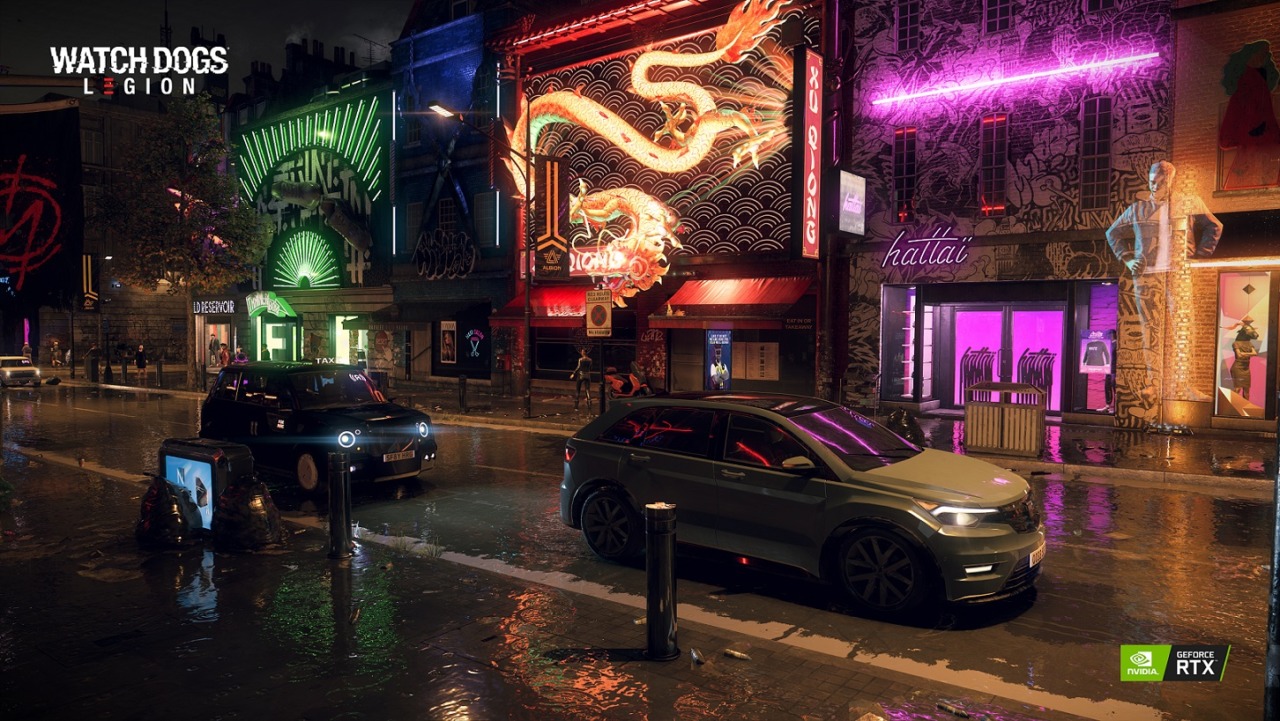
Ray Tracing is not a new technology in and of itself, it has been around for quite some time in the entertainment industry, used it countless movies and CGI visual effects.
Ray Tracing needs a lot of computation, usually you will see big render farms used to calculate the paths for each scene. This computational time and effort was what held Ray Tracing back from breaking through into the consumer market.
Nvidia RTX
Announced at Gamescom in 2018, Nvidia’s Turing architecture finally brought Ray Tracing to the consumer masses with its RTX 2000 series of cards. In Turing Nvidia introduced RT Cores, which are accelerator units dedicated to performing Ray Tracing operations such as shadows, ambient occlusion, lighting and reflections.
Ray Tracing was now in reach of many, however it did come with a couple of downsides.
For one, Ray Tracing was expensive, not just financially but also computationally. As these tasks are usually ran on huge render farms it would take additional performance to get them to run on a home PC. When RTX was enabled, performance would generally decline due to the power needed to perform all of the complex processes associated with Ray Tracing.
Also, many games did not support Ray Tracing, it was a breakthrough technology but without the breakthout games. Even now, over 2 years later there is less than 20 games that support Ray Tracing on the PC.
With Ray Tracing being made available on the Playstation 5 and Xbox Series it could finally move the needle and start to see more widespread adoption for the technology.
RDNA 2, Late to the Party
AMD’s answer to RTX and Turing was the RDNA 2 architecture, which is the foundation of the RX 6000 series of cards and also the GPU architecture for both the Playstation 5 and Xbox Series. Albeit with some tweaks and alterations for each specific console system.
RDNA 2 supports Ray Tracing and it’s chips feature one Ray Accelerator per compute unit, which is not too dissimilar from how the Nvidia RTX cards have one RT cores per compute unit.
It did take some time for AMD to finally catchup, with their 6000 series consumer cards only just being released at the end of 2020, a full 2 years since Nvidia first released its RTX lineup.
What Can We Expect
As the Playstation 5 uses the RDNA 2 graphics architecture, it comes equipped with 36 compute cores, which means it also has 36 Ray Accelerators available.
Since Ray Tracing is quite taxing, you will generally find the games that support it will offer differing modes. Some might have the ability to turn Ray Tracing or 4K support off in the hopes of getting a smoother frame rate at higher resolutions. Others might offer a ‘Fidelity Mode’ or one that favours more graphical enhanced features such as Ray Tracing in 1080p or 4k modes over frame rates.
Spider-Man: Miles Morales is a good example to use when trying to demonstrate Ray Tracing. Examples to look for would be reflections and lighting, so puddles, windows and neon lights. It is more then just some pretty lights and reflections it is also how those lights not just reflect but bounce and interact with the surrounding objects.
Some of the other games that have been released or announced featuring Ray Tracing are:
- Astro’s Playroom
- Call of Duty: Black Ops Cold War
- Devil May Cry 5: SE
- Fortnight
- Gran Turismo
- Ratchet & Clank: Rift Apart
- Spider-Man: Miles Morales
- Spider-Man: Remastered
Even though it has been available for a good couple of years now, Ray Tracing is still in its early days.
The inclusion on both of the next-gen systems should help integrate this as a standard feature much like HDR has become. With Ray Tracing needing more graphical power than other effects it will be interesting to see as we start this next generation, how developers can really maximise the upgrade in graphical prowless the Playstation 5 provides.